

Cataracts tend to sneak up gradually, dulling colors or making headlights seem too bright at night long before most people notice. When surgery becomes the next step, patients today often have a choice between two techniques: the traditional, hand-guided method or laser cataract surgery, which uses imaging and computer guidance for key parts of the procedure.
Understanding what separates the two makes it easier to have an informed conversation about which approach fits a particular set of eyes. Keep reading to learn more about five benefits of choosing laser technology for your cataract surgery.
1. A More Detailed Map of the Eye Before Surgery Begins
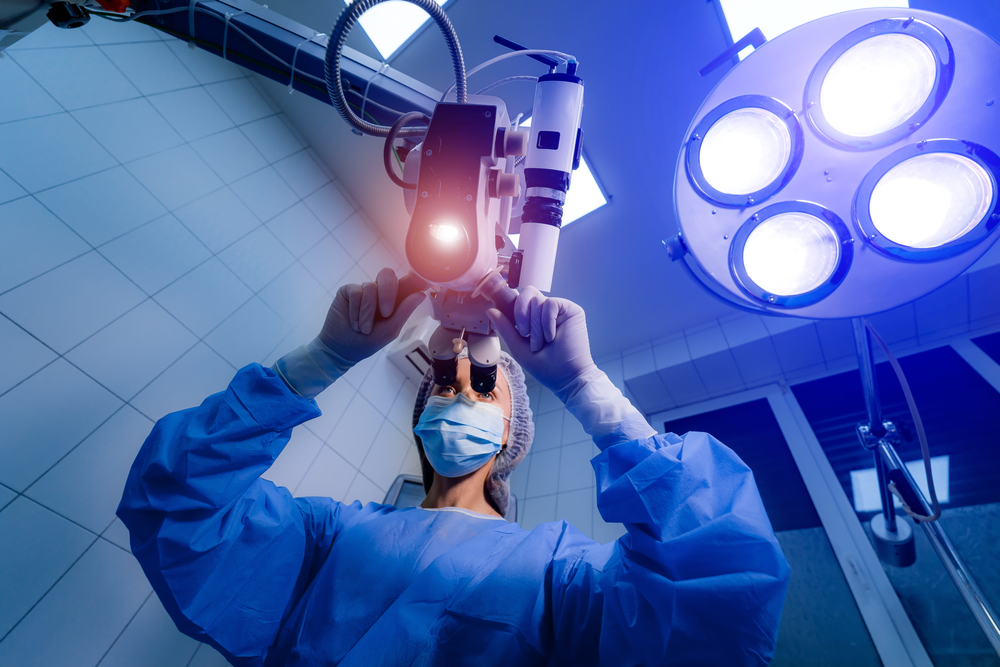
Before any incision is made, laser cataract surgery starts with an imaging step that most traditional procedures don’t include in the same way. A combination camera and ultrasound device scans the eye’s surface and gathers detailed information about the lens’s position, size, and depth. That data gets sent to a computer, which then programs the laser with exact coordinates for the incisions to follow.
As one of the leading providers of laser cataract surgery in Lake Worth, Palm Beach Eye Center includes this mapping step for every laser-assisted case. It goes beyond what a standard comprehensive eye exam captures, since it’s built specifically to guide the surgical plan rather than just check overall eye health. For patients, this means a procedure mapped out in detail ahead of time, with far less reliance on estimation once surgery begins.
2. Custom, Computer-Guided Incisions
Once the imaging is complete, the surgeon can use the laser to create the corneal incision and the opening in the lens capsule, following the precise measurements gathered during the mapping stage. This differs from traditional cataract surgery, where the surgeon creates these same incisions by hand with a small blade, relying on skill, experience, and visual judgment rather than a pre-programmed guide.
Neither method is inherently unsafe, and traditional cataract surgery remains one of the most common and successful procedures performed worldwide. The distinction lies in how the incisions are created. Laser guidance allows a level of consistency in incision size, shape, and placement that can be harder to replicate by hand alone, particularly when the eye’s anatomy presents unusual challenges.
3. A Gentler Way to Soften the Cataract
After the incisions are made, the clouded lens still needs to be broken up before it can be removed. In a fully traditional procedure, this is done entirely with an ultrasound probe, which uses sound waves to fragment the lens so the pieces can be suctioned out. Laser cataract surgery can use focused energy to soften the lens first, reducing the total ultrasound energy needed for the rest of the procedure.
Less ultrasound energy can help patients with denser or more advanced cataracts, where the phacoemulsification step tends to require more energy and time. Reducing that load doesn’t change the outcome of the surgery itself, but it does reduce stress on the surrounding eye tissue while the lens is being removed.
4. Better Positioning for Premium Lens Implants

Precision matters most once the cloudy lens is gone and an artificial one takes its place. The opening created in the lens capsule (the thin membrane that holds the natural lens) determines how well the new intraocular lens sits and centers within the eye. Laser guidance allows for a more consistent, well-placed capsule opening than can sometimes be achieved by hand, which in turn supports better centering of the replacement lens.
This becomes especially relevant for patients selecting premium IOLs, such as toric or multifocal lenses designed to reduce dependence on glasses after surgery. These lens types are more sensitive to positioning than standard monofocal lenses, so improved precision from laser guidance can directly affect how well the lens performs once healing is complete.
5. The Option to Correct Astigmatism During the Same Procedure
Patients with astigmatism (an irregular curvature of the cornea that causes blurred or distorted vision) sometimes wonder whether they need to address it separately from cataract surgery. Laser technology offers a way to treat both at once. The laser can create specific corneal incisions to reshape it slightly, correcting astigmatism while the cataract is being removed.
Choosing What’s Right for Your Eyes

Laser cataract surgery isn’t automatically the better choice for every patient. Traditional cataract surgery is performed successfully on millions of patients each year, helping them restore vision and regain independence in daily activities.
Laser technology simply offers a different way to achieve certain surgical steps, with benefits that matter more for some patients than others, depending on cataract complexity, interest in premium lens options, or the presence of astigmatism.
A surgeon’s skill and experience remain the most significant factor in how any cataract procedure turns out, regardless of which technique is used. The best way to determine which approach fits a particular set of eyes is to talk directly with an ophthalmologist who can review the details of each option.
Curious whether laser cataract surgery could be the right fit for your eyes? Schedule an appointment with the experts at Palm Beach Eye Center in Lake Worth, FL today!