
When patients start researching cataract surgery, recovery speed almost always comes up early in the conversation. People want to know how soon they can drive, return to work, get back to the pool or the gym, and see clearly again.
At Palm Beach Eye Center, our eye surgeons perform both traditional and laser-assisted cataract surgery, and we often hear the same question during pre-surgical consultations: which technique actually heals faster?
Both procedures produce excellent vision outcomes, and the full stabilization window is similar. The early days, however, can look noticeably different depending on the technique used.
How Is Laser Cataract Surgery Different from Traditional Methods?

To understand the differences in their recovery, it helps to know what happens during each procedure. With traditional cataract surgery, your eye surgeon uses a handheld blade to make a small corneal incision, about 1/8 of an inch at the edge of the cornea, then breaks up the clouded lens with ultrasound energy in a technique called phacoemulsification.
The fragments are gently suctioned out, and a new intraocular lens (IOL) is placed in the eye. The incision is self-sealing, so no stitches are needed.
Laser cataract surgery replaces several of those manual steps with a femtosecond laser. Before any instruments enter the eye, the laser creates a digital map of the cornea and then performs the corneal incision, the opening in the lens capsule, and the initial softening of the cataract, all without a blade.
Ultrasound is still used to complete the cataract removal, but far less energy is typically required because the laser has already fragmented the lens. These upfront differences, bladeless incisions, and less ultrasound energy inside the eye shape the recovery experience that follows.
What Recovery Looks Like After Traditional Cataract Surgery
Most patients who have traditional cataract surgery do remarkably well. The procedure itself takes roughly 15 minutes per eye and is performed as an outpatient procedure with numbing drops and, in most cases, a mild oral sedative. You go home the same day.
In the first 24 hours, vision is usually blurry as the eye adjusts to the new intraocular lens. Many patients see meaningful improvement within the first day, though the image can still feel a bit cloudy, watery, or slightly distorted.
Prescription eye drops manage inflammation and prevent infection, and most discomfort fades within a few days. Common early side effects include watery eyes, mild redness, light sensitivity, and occasional double vision, all of which tend to resolve on their own.
You’ll be asked to avoid getting soap or shampoo in your eyes, skip strenuous exercise and heavy lifting, and hold off on eye makeup for about 4 weeks. Full visual stabilization typically takes 4 to 8 weeks.
For many patients in Palm Beach County, the return to daily life feels faster than expected, but deeper healing continues in the background for several months.
What Recovery Looks Like After Laser Cataract Surgery

Laser-assisted recovery follows a similar overall recovery, but the early days often feel smoother. Because the femtosecond laser performs several steps with submillimeter precision, the corneal incision tends to be cleaner, and the lens is typically pre-softened before ultrasound is applied.
Less ultrasound energy inside the eye generally means less post-operative inflammation and a faster bounce-back visually in the first week or two.
Many laser cataract surgery patients report clearer vision sooner, sometimes within a few days. Some see a meaningful improvement almost immediately, though this varies by individual and lens type. The same prescription eye drop regimen is used, and the same activity restrictions apply, meaning avoiding water exposure, strenuous exercise, and makeup for about 4 weeks.
The overall stabilization window is still 4 to 8 weeks, similar to traditional surgery. What’s different is the early phase: less corneal swelling, often less grittiness, and, for patients receiving premium lifestyle IOLs, more predictable lens positioning. That predictability matters because premium lenses like multifocal and toric IOLs depend on being centered and stable to deliver the full range of vision they promise.
Which Recovery Is Actually Faster?
The short answer is that laser cataract surgery tends to deliver a faster early visual recovery, while both techniques reach full stabilization in a similar timeframe. If your priority is getting back to a clear image quickly, whether that means reading, using a computer, or watching a grandchild’s recital, the laser approach often has a small but real edge in the first week or two.
The longer answer is that recovery speed depends on more than the technique itself. Several factors influence how quickly you heal:
- Pre-existing eye conditions: Astigmatism, dry eye, glaucoma, or macular degeneration can all affect the recovery pace and final visual quality, regardless of technique.
- The type of IOL selected: Monofocal lenses tend to stabilize faster than multifocal lenses, which require a period of neural adaptation as your brain learns to use the new range of focus.
- Individual healing characteristics: Age, general health, and how well you follow the post-operative drop schedule and activity restrictions all matter.
In other words, two patients with identical surgeries can have different recovery timelines. This is one reason common assumptions about cataract surgery, including the idea that you’ll need weeks away from work, often don’t hold up. Many patients return to light activities the next day and to work within a few days, especially with laser-assisted surgery.
How to Decide Which Procedure Is Right for You

Recovery speed is only one piece of the decision. Traditional cataract surgery is typically covered by insurance, including Medicare, and produces excellent outcomes for most patients. Laser cataract surgery is considered an upgrade, often paired with premium IOLs, and is not covered by insurance.
Patients with significant astigmatism, those choosing lifestyle lenses, or those who simply want the most precise, bladeless option tend to gravitate toward the laser approach. Patients whose cataracts are straightforward and who are satisfied with a monofocal lens may find traditional surgery fits their needs.
Timing also plays a role. Having surgery before cataracts become dense and advanced often supports a smoother recovery, because dense lenses require more energy to remove regardless of technique.
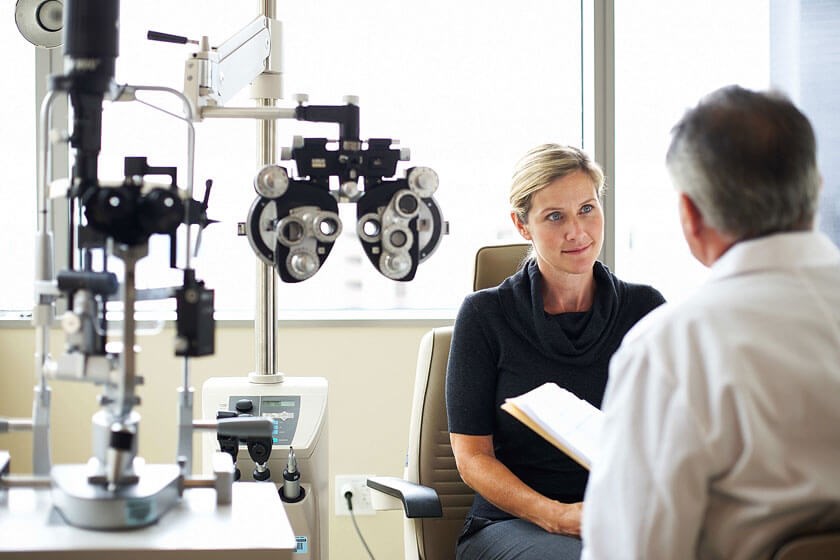
A comprehensive consultation at Palm Beach Eye Center will include measurements of your cornea, a review of your lifestyle and visual goals, and a candid conversation about which approach fits best. Some patients aren’t candidates for laser cataract surgery, for instance, if they’ve had previous LASIK or certain types of astigmatism, and our team will walk you through the reasoning either way.
Both techniques deliver results that feel almost miraculous when you see the world clearly again for the first time in years. The right choice is the one that matches your eyes, your goals, and your comfort with the trade-offs.
Wondering which cataract procedure best fits your lifestyle and recovery goals? Schedule an appointment at Palm Beach Eye Center in Lake Worth, FL.