Glaucoma is one of the leading causes of permanent blindness worldwide, and yet the majority of people living with it have no idea anything is wrong. With the most common type of glaucoma, open-angle glaucoma, there are no early warning signs that prompt most patients to call their eye doctor. By the time glaucoma becomes noticeable, the optic nerve has already sustained damage that cannot be reversed. That reality is what makes proactive screening so consequential, and it is why knowing your risk factors matters far more than waiting for symptoms to appear.
Why Is Glaucoma Called the Silent Thief of Sight?
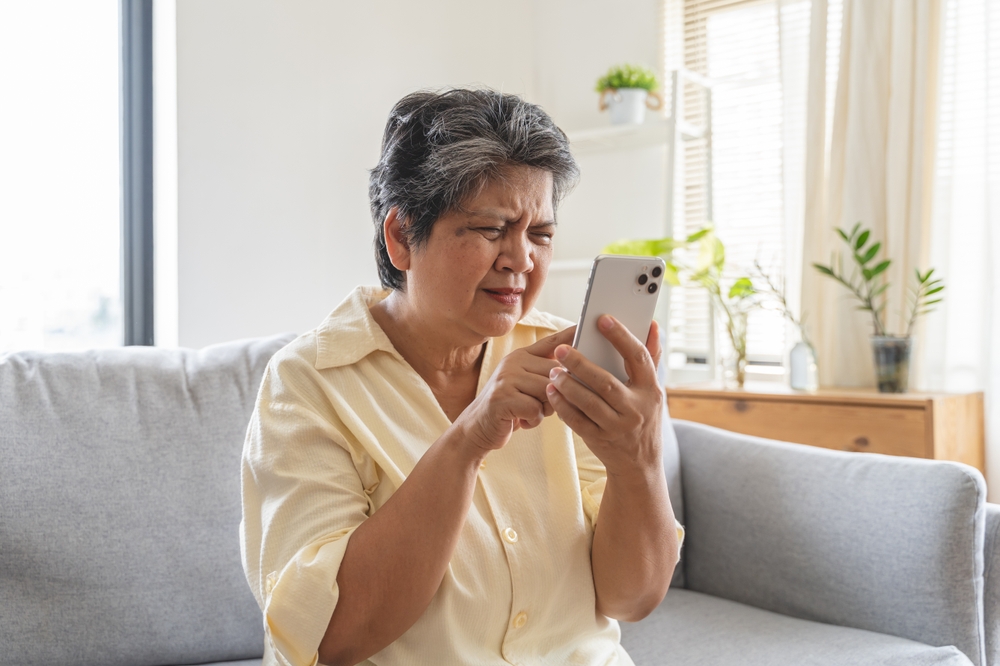
The nickname comes from how the most common form of the disease behaves. Open-angle glaucoma develops when the eye’s drainage system gradually becomes less efficient. Fluid builds up inside the eye, intraocular pressure rises, and the optic nerve is slowly compressed over months or years. Because the damage typically begins at the outer edges of the visual field, the brain compensates, and patients rarely perceive the loss until it has progressed significantly.
Glaucoma does not follow the pattern most people associate with eye disease. There is no blurriness in the morning that clears up, no floaters, no sudden event that signals a problem. For many patients, the first confirmation of glaucoma comes during a routine exam when their ophthalmologist identifies optic nerve changes or elevated pressure.
This is exactly why routine screening, particularly for those with elevated risk, is the most reliable way to catch it before irreversible damage accumulates.
Risk Factors That Warrant Earlier Screening
Most ophthalmologists recommend that adults over 40 receive baseline glaucoma screening as part of a comprehensive eye exam, with more frequent monitoring as they age. For individuals over 60, annual screening becomes especially relevant because the risk of glaucoma increases substantially with each decade of life.
Beyond age, several factors place certain individuals at meaningfully higher risk. Elevated intraocular pressure is one of the most well-established, though it is worth understanding that some people develop glaucoma with normal pressure, while others tolerate elevated pressure without damage.
Family history matters considerably. Having a parent or sibling with glaucoma increases your own risk by four to nine times compared to the general population. African Americans and Hispanic individuals face higher rates of glaucoma overall and tend to develop it at earlier ages, which is why earlier and more frequent screening is recommended for these groups.
Other risk factors include high myopia (nearsightedness), diabetes, a history of eye injury, and long-term use of corticosteroid medications in any form, whether eye drops, oral medications, or inhaled steroids.
None of these factors means a diagnosis is inevitable, but each one is a legitimate reason to stop waiting for symptoms and schedule a screening now.
What Are the Glaucoma Symptoms I Should Look Out For?

The risk factors above explain who should be screened. What they don’t answer is whether anything you’re currently experiencing might also be a signal. For open-angle glaucoma, early-stage disease rarely produces noticeable symptoms, which is why risk factors carry so much weight. But as glaucoma advances, certain signs do emerge, and one form of the disease can announce itself quite suddenly.
That said, there are signs that can emerge as the disease advances, and there is a separate form of glaucoma that behaves quite differently.
Angle-closure glaucoma, which is less common, occurs when the drainage angle of the eye becomes suddenly blocked. This form can cause rapid onset of eye pain, nausea, headache, blurred vision, and halos around lights, particularly at night. An acute angle-closure episode is a medical emergency requiring prompt attention.
For open-angle glaucoma, the symptoms that eventually appear include gradual narrowing of peripheral vision, difficulty adjusting to low-light environments, and intermittent blurred vision that may not seem severe enough to warrant concern. Some patients also notice halos around lights or a sense of mild pressure around the eye.
By the time these signs are present, monitoring and treatment are already overdue. That is not meant to alarm, but to reinforce that feeling fine is not the same as being clear.
What Happens During a Glaucoma Screening?
A glaucoma screening at a specialized ophthalmology practice involves several distinct tests, each measuring a different aspect of eye health. Together, they give your doctor a far more complete picture than any single test can provide.
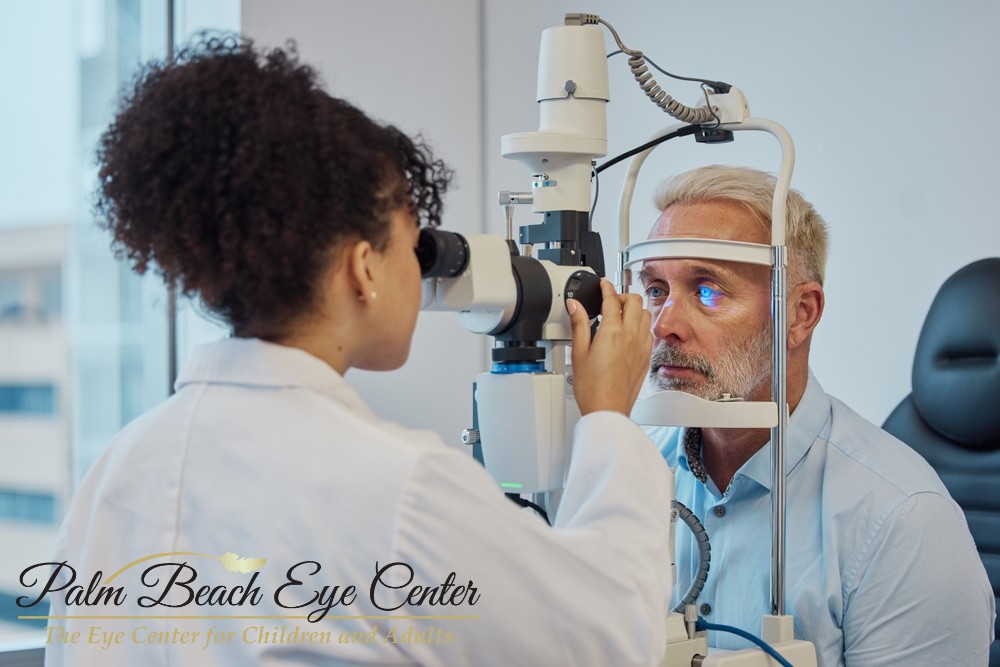
Tonometry measures intraocular pressure and is often the first test patients associate with glaucoma. The comprehensive eye exam at Palm Beach Eye Center includes tonometry as part of a broader evaluation, alongside visual field testing, which maps the full extent of your vision to detect any areas of loss. Optic nerve imaging, using optical coherence tomography (OCT), allows the doctor to examine the structure of the optic nerve in detail and identify thinning or damage that may not yet be visible through a standard ophthalmoscope.
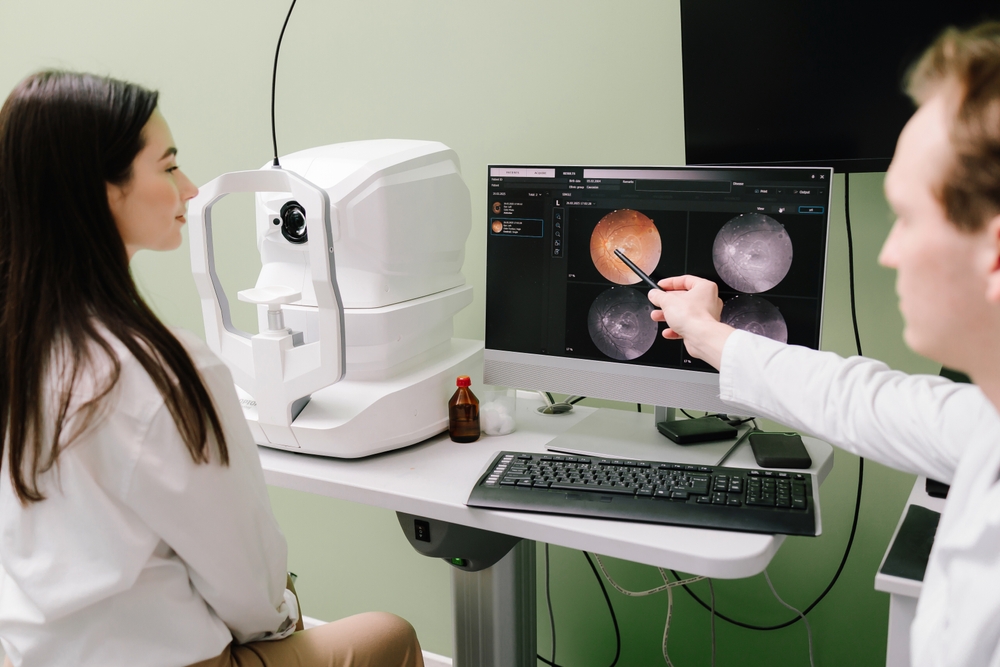
Dilation is typically performed as well, giving the doctor a direct view of the optic nerve and retina. Pachymetry, a quick and painless test that measures corneal thickness, may also be included when risk factors are present. A thorough exam that combines multiple measurements gives a far more reliable assessment of where your eye health stands.
For patients already diagnosed, treatment options range from prescription eye drops that lower intraocular pressure to laser procedures such as selective laser trabeculoplasty, to minimally invasive glaucoma surgery (MIGS), which uses tiny incisions to improve the eye’s drainage and reduce pressure with a shorter recovery period than traditional surgical approaches.
Don’t Wait for Vision Loss to Prompt Action
Glaucoma screening is not something most people think about until a family member is diagnosed or a doctor brings it up unprompted. But for anyone over 40, anyone with a family history of the disease, or anyone with the risk factors described above, scheduling a screening before symptoms develop is a straightforward and genuinely protective step.
Concerned about your risk for glaucoma? Schedule an appointment at Palm Beach Eye Center in Lake Worth, FL.